Relationships • Marriage
Why You Should Get Married Almost at Once
One of the things about our world that would most surprise a magically returned premodern ancestor of ours is how long we take to assess and settle on a spouse. The phenomenon of dating too long before marriage would seem especially strange to them.
In almost all societies that have ever existed, the period between first laying eyes on a prospective partner and the moment of committing to them was extremely short. In Sumeria, there was a single audience; in Classical Athens, young men and women might meet three times before arrangements were settled; in the Inca Empire, one might never even have been in the spouse’s presence before the wedding.
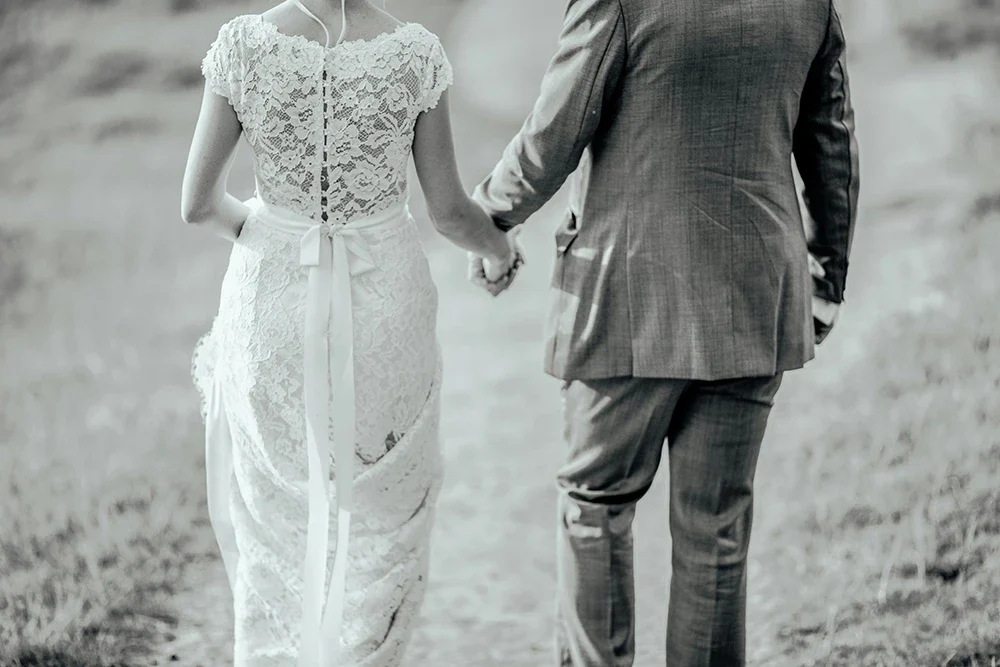
Contrast this with our own set-up. We move extremely slowly. It is typical to date someone non-exclusively for six months, then to commit to seeing them singly for a year and half, then perhaps to move in and further test the waters for four or five years – before either finally getting engaged or else discovering that, after all, one wasn’t quite suited, perhaps because of slightly different attitudes around politics or some clashes over interior design or entertainment preferences.
Compatibility versus Commitment
At the heart of the dispute between the premodern attitude and ours is a contrasting notion of what is required to make a relationship succeed.
We implicitly believe it is about compatibility; they firmly believed it was about commitment.
Underpinning our modern Romantic approach to love is a tightly held notion that the most important ingredient in any functioning relationship is innate congruence, a pre-existing sympathy of souls that will lend us a feeling that we have met someone before (perhaps in a past life). We believe we will need to encounter a lot of people and try them out over extended periods, because this, and only this, will help us to see whether we have correctly alighted on a soulmate. It can take a hundred and eighty breakfasts with someone to assess if we really have sympathetic communication styles; we might need twenty-three mini breaks to properly judge a person’s approach to packing and timekeeping; only after sleeping with seventy-six different individuals might one determine whether we’re fully satisfied with sex with a particular example.
Why Dating Too Long Before Marriage Can Be a Mistake
Our ancestors begged to differ. They believed that alignments were to be formed, not found. What was, for them, principally important for the success of any relationship was the desire to make it succeed. Commitment came first, any inbuilt compatibility a distant second. It almost didn’t matter who one married; the choice was somewhat secondary to the desire to be married. So long as the rough details were correct (right gender, age, and so on), the rest could and would be sorted out in time, through willpower and dedication. Intention – far more than any innate and possibly fictitious twinship of the soul – would mean that after an argument, partners would come back together to resume their dialogue. Or that they would put aside certain of their spontaneous wishes for the sake of the couple. Or would make effort after effort to grasp how the world might look through the other’s eyes. In the ancestral view, compatibility was an achievement of love; it was not, and could never be, its precondition.
Learning to Live with Difference
We don’t have to follow historical precedents in every detail to be at least partially inspired by them. We can recognise that a wish to actually be married might, in the end, be one of the determining factors in how successful any marriage can be. So long as we and our partner are aligned on this point, the many differences that will naturally emerge between us may not have to be insuperable. In the premodern expectation that trouble is natural and legitimate, we discover a more bearable method of interpreting discord. Working at differences is what constitutes a relationship; it may not need to be seen as a stern obstacle that has to be overcome before one can ever take place.
Everyone we meet will be slightly wrong; our ancestors knew this better than we do. Everyone will fail to understand us intuitively; everyone will have a range of very unfortunate tastes. None of this has to be remotely fatal. We don’t need to be the same person separated at birth; we don’t need to be in spiritual synchronicity; all we really need is to want, very, very much, to be together with someone. The rest are (almost) details.
It might not, with this in mind, after all be so crazy to go on three dates with someone and then, without too much fanfare, set in motion plans for marriage. Once we understand that it’s the idea of commitment that counts, the details can be managed. We may have exaggerated the importance of finding the ‘right person’ and, through dating too long before marriage, very much underestimated the power of wanting to make a relationship, any relationship, work.