Relationships • Romanticism
The First Really Romantic Moment in Love
We might be overcome by choice when trying to identify the first really romantic moment in a relationship: maybe the time when they bought a small bunch of primroses to dinner, or when we remembered their favourite jam (apricot), or when we kissed them by the lake, or they told us we had the loveliest hands…
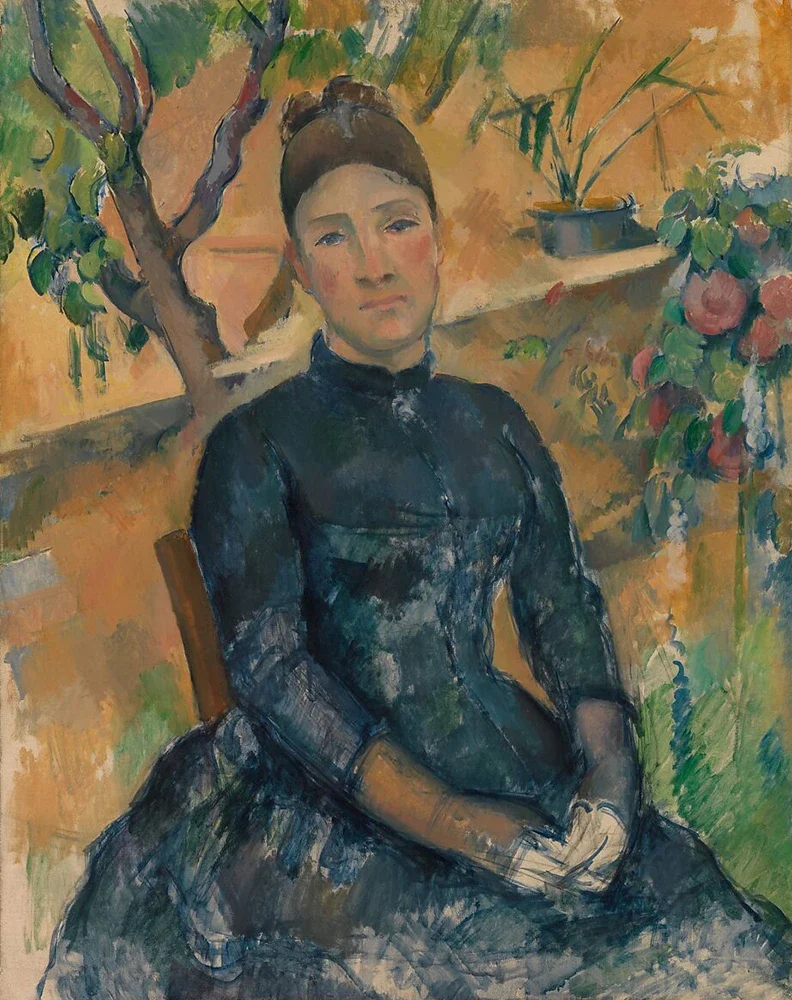
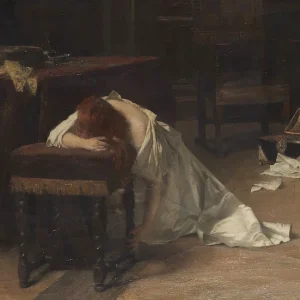
Metropolitan Museum of Art. Bequest of Stephen C. Clark, 1960
But more seasoned observers might choose to locate the most truly romantic moment elsewhere – which is where conflict resolution in relationships begins: in the first moment of discord that two people were brave enough to address slowly and steadily. In the time they had a small argument about one of their laughs. Or there was a serious discussion about the colour of a jumper someone had chosen. Or there was a tense moment after a much-delayed appointment.
Let’s imagine that, when an issue came up, the mildly offended person didn’t go silent. They didn’t say to themselves: I’m not allowed to complain, these are the early days of love; who am I to raise a problem with someone who has been so nice to me? What is wrong with a bright violet jumper anyway? Or: Why shouldn’t they be twenty minutes late again?
The Courage to Interrupt Optimism
They didn’t hide the hurt from themselves or their new partner in order to try to focus on other, ‘better things’. They had the courage to interrupt the flow of optimism in the name of clearing channels of communication and of feeling. They understood that the great enemy of love isn’t complaining but a failure to do so early enough; they knew that the fastest way to kill intimacy is to stop talking about awkward things – and that behind many a case of so-called ‘tiredness’ at the idea of having sex is a difficult conversation that hasn’t been had.
They held their nerve enough to be good ‘teachers’ in love, taking their ‘student’ through a complicated topic with lightheartedness, at an appropriate moment, maybe with levity and self-deprecation, to ensure that it stood the very best chance of being heard.
Trusting That We Are Not the Problem
At the same time, the ‘student’ didn’t give way to paranoia. Even if they had several painful relationships behind them, they allowed themselves to believe in the benevolence and fundamental goodness of the new person before them. They didn’t turn on them and say with aggression (and underlying fear): I can’t believe you’re making such a fuss. Why can’t you be more accepting? I love my jumper, why can’t you? Or: No one has complained about my laugh before. They could trust that there might be a problem; they didn’t think that they themselves were one.
Romance requires that the listener trust that they are not about to be randomly and meanly attacked, that their new partner isn’t attempting to wound them for the sake of it, that they are simply trying to explain a tricky or intense bit of their worldview, in the name of deepening connection and safety: that a ‘complaint’ is, in essence, a privilege. As a real Romantic, they therefore listen very carefully and let out small signs they are doing so: ‘Go on…’ ‘How interesting…’ ‘Do say more…’ They thank the partner for their honesty, they signal that they welcome frank dialogue, they make sure the other knows that there is always time for problems calmly divulged.
Why Conflict Resolution in Relationships Matters
The real enemy of love is never upset; it’s resentment that hasn’t been shared in time or that hasn’t been met with sufficient bravery and curiosity. We shouldn’t panic if – in the early days of love – we find ourselves in conversations that feel rather serious about things that seem ‘heavier’ than they should be. We mustn’t worry about sounding complicated; instead, we might remember that conflict resolution in relationships is one of the deepest forms of care. We should be far more afraid of pretending that we are any easier than we are.