Relationships • Dating
The Wisdom of Dating People Who Make Us Feel Ill
The idea of dating people who make us feel repulsed, who bring on a feeling of nausea and discomfort, sounds – at first blush – particularly perverse and insane. And yet, the strange logic behind dating someone who feels wrong deserves closer inspection than we are usually willing to grant it.
We should evidently more wisely do what we’ve always been told: listen to our gut and follow our intuitions. Love is a feeling and we must tune in to its demands. We should go with who mesmerises us and makes us long. Romantic culture has been teaching us this for 250 or so years. Intuition is the fastest, most reliable route to finding a workable, kind, good and fulfilling partner.
The thesis is compelling, but it is also built on extremely slim psychological foundations and is, perhaps, responsible for causing an undue amount of suffering.
When instinct becomes unreliable
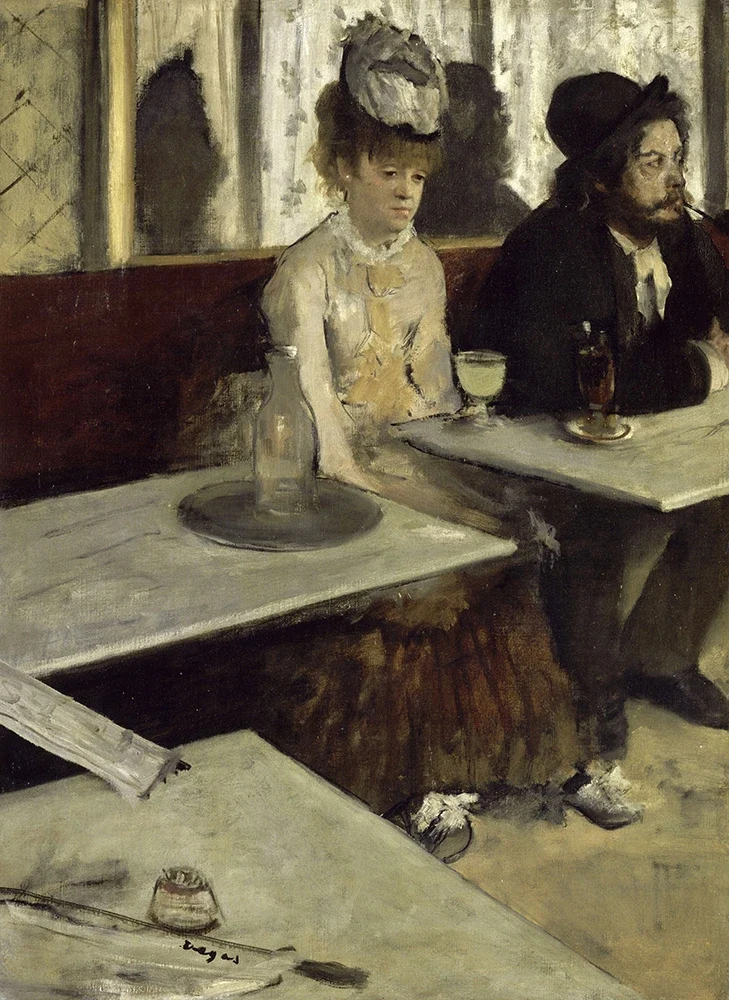
For any of us who have endured a difficult childhood, our instincts are likely to be not just a bit wrong, but extremely dangerous. The first native emotion in coming into contact with someone violent, denying, absent or bullying might be excitement. Just as the primary feeling in relation to a sweetie might be boredom, sexual repulsion and eerie discomfort.
The reason lies in the past. We seek to love in adulthood types who remind us of our earliest caregivers. If these happened to be violent, unfulfilling or unkind, then we will associate these traits with ‘home’, even when they deny us any chance of the happiness we deserve.
Correspondingly, those who are sweet will feel at once alien and threatening. Because the only way to survive our childhoods will have been to get used to suffering, we will harbour an endemic suspicion of any ambassadors of the tenderness we learnt to do without.
The strange logic of dating someone who feels wrong
Naturally, not everyone who feels wrong for us will actually be right. Just as not everyone who feels right is indeed right. We simply need a lot of scepticism about our impulses.
To improve our chances of happy love, we should pause when the evidence on paper is pretty overwhelming (the prospective partner is good-looking, is kind, is intelligent, is available) and yet – for reasons we can’t ourselves understand – we just want to get away in a hurry. We should stop our flight, calm ourselves down and imagine that we may be getting this wrong. That our nausea is not telling us about our prospective partner; it’s telling us about how difficult our parents were. And therefore, that what we should do with our panic is notice it, study it and ignore it – as one might a misfiring alarm. We might show up date after date and slowly reduce our fear of kindness each time. We might come to see that the partner isn’t an ogre, doesn’t want to kill off our freedom and isn’t a bore. Their physical features may not, once we pause the alarm, have to elicit disgust. They may have a lot to say for themselves, once we silence the voice ordering us to think that they aren’t good enough.
Rethinking what our discomfort is telling us
Sensible opinion has been telling us for a very long time that our gut is the clue to everything. It may be better to proceed with some careful questions about our histories: how well looked after were we at the age of seven? Was there a kindly adult we could turn to when we were distressed? Did someone keep us in mind? Did we have a feeling of mattering immensely to a parent? If we can’t answer in the affirmative, we should move extremely slowly before cancelling certain partners going forward. And we might even need to scan back over people we threw decisively away and wonder – very painfully – whether the problem might not have started with us rather than with them.
We should – with a more secure hold on our psyches – cease to hold it against a dinner companion for doing that most generous and natural of things: thinking well of us, and recognise that dating someone who feels wrong may, at times, be a brave and necessary step towards learning how to accept the love we were once denied.