Relationships • Dating
Is There Anyone Out There for Me to Date?
At any given point, there are a huge number of people who are as single as we are; there are, in theory at least, plenty of people we might go out with. However, due to the psychology of attraction, the numbers we are able to ‘see’ – that is, recognise as viable, love-worthy candidates – are generally far smaller. Most of the apparent candidates are, in reality, entirely invisible to us. We may go on dozens of dates and return home sure of one thing: there is simply no one out there.
We tend to assume that our assessments are unanalysable and fixed. It’s just a taste, we say – a mute impulse beyond enquiry. ‘Attraction’ can’t be accounted for. But the logic of our selection can bear more scrutiny. It isn’t merely a mysterious or narrowly physical verdict: whom we ‘see’ out in the world is, in large measure, a reflection of our own psychological evolution. We ‘see’ – that is, assess favourably and start to desire – those who have reached a similar stage of emotional development as we have (while we remain blind to those who are either far in advance or far behind us). We may claim that our attraction is only ever about ‘looks’, but this reverses causality, failing to account for the intensity with which certain kinds of faces draw us in while others, objectively equally symmetrical, leave us cold. We declare ‘beautiful’ those faces that hint at psychological qualities we have learnt to accommodate in our hearts.
The Gradual Education of the Heart
The process can take years to perceive. At the age of fifty, we might look back on ourselves at twenty-five and remember someone who was interested in us. They had a pleasant appearance; they were lively and curious; they gave us their time – but we weren’t able to ‘see’ them at all. They left us cold. We may have run away from them. We might have described them as ‘a bit boring’ or ‘not sexy enough’. We might even (inadvertently) have wounded them rather badly.
From a more mature vantage point, we begin to appreciate that there wasn’t just a mysterious taste or undiscussable impulse at play. We didn’t ‘see’ the value of the person because of where we happened to be in relation to ourselves. Perhaps we were frightened by warmth and kindness; it wasn’t what we were used to. We came from a background of neglect whose impact we hadn’t understood. We felt suspicious of a sweetness that felt foreign and unearned.
Alternatively, we might remember turning away another person who was sexually open and giving. But at twenty-seven, sex was daunting for us; our capacity for excitement laid us open to too much vulnerability – and so we moved on, registering only a surface complaint about them living too far away or not sharing our hobbies.
If similar people came into our lives now, we would be ready. We would see them and their virtues clearly. We would have learnt not to hold it against someone that they were kind. We would have worked through our masochistic impulses. We would have overcome our interest in chilly, unreliable types. We would have grown more at ease with physical affection and sexual exploration. We would be ready to ‘see’ so many more good people – because we had grown up.
The Psychology of Attraction and Emotional Growth
Part of the problem with ‘seeing’ more accurately is the regret it can unleash. We needed another decade before we didn’t panic when someone was thoughtful with us; it took us twenty years not to judge someone as deficient when they were principally loyal and even-tempered.
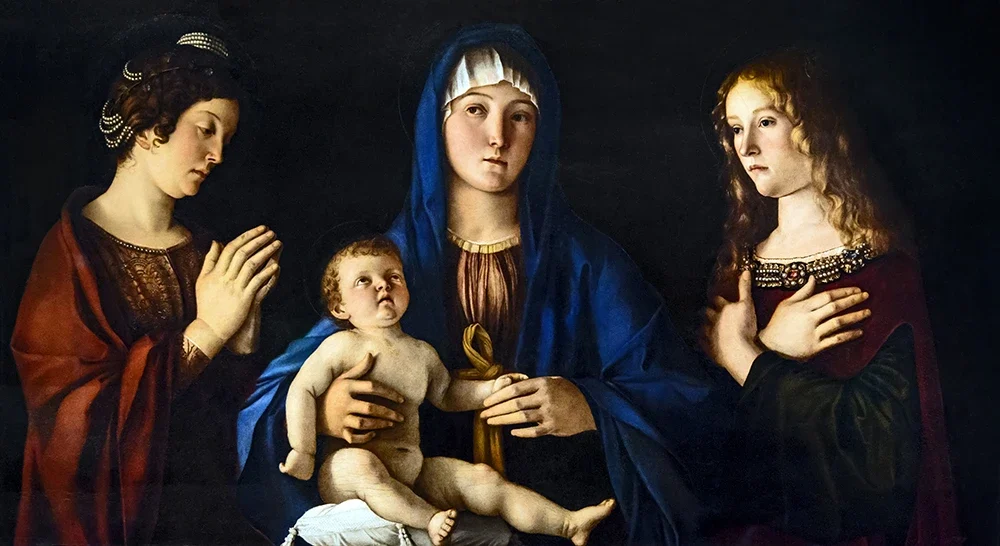
An analogy can be drawn between this process of romantic ‘seeing’ and travel. At twenty, when we first went to Venice, we may not have seen very much at all. We knew there were a lot of churches and palaces, but they went by in a blur; there was no room in ourselves for them. We followed the history books dutifully, but the details set off no deeper resonances. We left after two days. But by sixty, we know what to look out for when confronted by a baroque church. We’ve got a place in our hearts for an altarpiece by Bellini. There’s somewhere to put information about trade routes and government factions and the rise and fall of states. We ‘see’ so much out there because there is so much more room within.
Seeing More, Loving More
It is poignant when, at a late age, we fall in love with someone we know we would have completely ignored had we met them any earlier. We would have been too frightened to deal with their sexual openness; we would have been too interested in torment to be able to stomach their warmth of spirit; there was too much chaos inside us to be able to appreciate their tranquillity. We know both how right they are, and how easily we would have looked through their qualities for most of our lives.
There could be so many more people to love – once we learn to ‘see’ goodness and maturity. And an equal number of people to run away from, once we lose our interest in suffering and torment. To grasp the psychology of attraction is to understand that love depends not only on who others are, but on how far we ourselves have come.